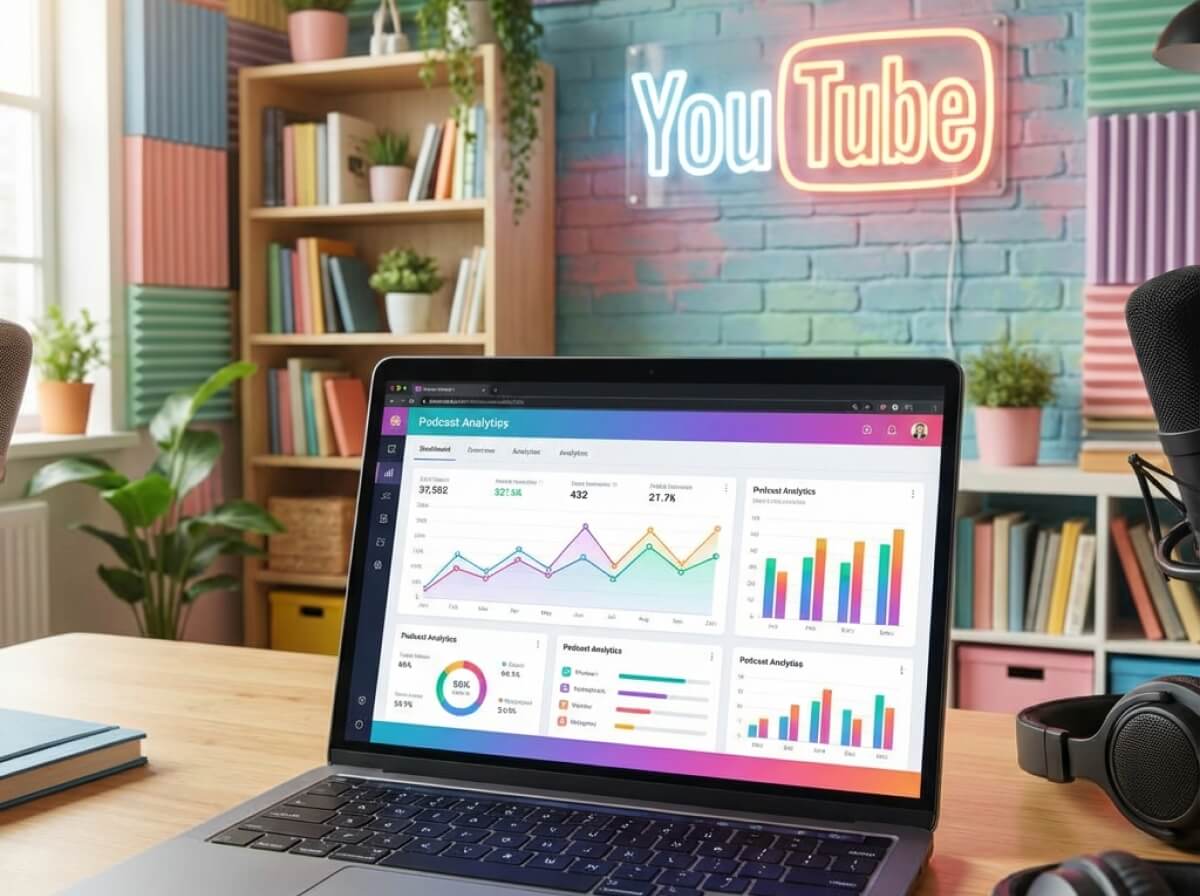
Growing a podcast on YouTube requires understanding the platform's unique algorithm and audience behavior. YouTube favors content with high retention rates, consistent publishing, and strong engagement metrics. Unlike audio-only platforms, YouTube combines visual and audio elements, creating opportunities for enhanced discoverability through search and recommendations. If you're just starting out, our beginner's guide to starting a podcast covers the fundamentals you'll need before focusing on growth strategies.
YouTube's massive global audience and powerful search capabilities make it an ideal platform for podcast growth. The platform's recommendation algorithm suggests your episodes to viewers watching similar content. Understanding how to optimize for YouTube's algorithm helps you reach more viewers and build a sustainable audience over time. If you haven't chosen a name for your show yet, a podcast name generator can help you find a memorable title that improves discoverability in YouTube search results.
YouTube's algorithm rewards creators who consistently publish content and maintain high engagement rates. One effective approach to boost your podcast's visibility is repurposing each long-form episode into numerous shorter clips. Choppity's automated video editing tool streamlines this process by generating 30 or more engaging short clips from a single podcast episode automatically. Sharing these clips as YouTube Shorts, on social media, and across other platforms creates multiple entry points for new viewers, ultimately directing more traffic to your complete episodes on YouTube.
YouTube's algorithm for podcasts considers multiple factors when recommending content to viewers. The platform prioritizes videos with high watch time, strong engagement metrics, and consistent publishing. Understanding these factors helps you optimize your content for better visibility and growth.
Watch time is particularly important on YouTube. The algorithm favors videos that keep viewers watching for longer periods. Focus on creating content that maintains viewer interest throughout the episode. High retention rates signal to YouTube that your content is valuable and worth promoting.
YouTube's recommendation system suggests your episodes to viewers watching similar content. The algorithm analyzes viewer behavior, watch history, and preferences to match viewers with relevant podcasts. Creating content that resonates with your target audience helps YouTube recommend your podcast to the right viewers.
SEO optimization is crucial for discoverability on YouTube. Your video titles, descriptions, tags, and thumbnails all affect how easily viewers can find your content. Well-optimized metadata improves your ranking in search results and helps YouTube's algorithm understand your content.
Your video titles should be clear, descriptive, and include relevant keywords. Include your podcast name, episode number, and key topics in titles. Avoid clickbait that doesn't deliver on promises, as this hurts retention and can damage your channel's performance.
Video descriptions should be detailed and include timestamps for longer episodes. Mention guest names, key topics discussed, and any special segments. Include links to your website, social media, and other platforms. Well-written descriptions help both viewers and YouTube's algorithm understand your content.
Retention rates are critical for growth on YouTube. The algorithm prioritizes videos that keep viewers watching for longer periods. Focus on creating content that maintains viewer interest from start to finish.
Start episodes with compelling introductions that hook viewers immediately. The first 30 seconds are crucial for retention. Avoid long intros or unnecessary content that causes viewers to skip ahead. Structure your content with clear sections and transitions to maintain engagement throughout.
Monitor your analytics to identify episodes with high retention rates. Analyze what makes these episodes successful and apply those techniques to future content. Episodes that keep viewers watching signal to YouTube that your content is valuable and worth promoting.
Thumbnails significantly impact click-through rates and discoverability on YouTube. A compelling thumbnail can dramatically increase views, while a poor thumbnail can cause viewers to skip your content entirely. Focus on creating thumbnails that accurately represent your content and encourage clicks.
Your thumbnails should be clear, engaging, and consistent with your brand. Include text overlays that highlight key topics or guest names. Use high-contrast colors and readable fonts. Test different thumbnail styles to see what resonates with your audience.
Thumbnails work best when they create curiosity or clearly communicate value. Avoid misleading thumbnails that don't match your content, as this hurts retention and can damage your channel's reputation. Focus on creating thumbnails that accurately represent your episodes while encouraging clicks.
YouTube Shorts provide an excellent opportunity to grow your podcast audience. Short clips from your episodes can attract new viewers and drive traffic to your full-length episodes. Use Shorts to repurpose your content and reach viewers who prefer shorter-form content.
Create compelling Shorts that highlight the best moments from your episodes. Include clear calls-to-action directing viewers to watch the full episode. Shorts can drive significant traffic to your full-length episodes and help you reach new audiences.
Shorts appear in a dedicated feed and can reach viewers who don't typically watch long-form content. Use Shorts to introduce your podcast to new audiences and drive subscriptions to your channel. Successful Shorts can significantly boost your channel's growth and visibility.
Community engagement is crucial for growth on YouTube. Responding to comments, creating community posts, and building relationships with viewers helps build a loyal audience. Engaged communities are more likely to watch, share, and subscribe to your content.
Respond to comments regularly to show viewers that you value their input. Create community posts to keep subscribers engaged between episodes. Ask viewers questions and incorporate their feedback into future episodes. Building a community around your podcast creates loyal viewers who help you grow.
Community engagement signals to YouTube that your content is valuable and worth promoting. Channels with high engagement rates often see better algorithmic performance. Focus on building genuine relationships with your viewers rather than just seeking views.
Promoting your podcast outside YouTube expands your reach and drives new viewers to the platform. Share episodes on social media, your website, and other podcast directories. Cross-platform promotion helps you reach audiences who might not discover your podcast through YouTube alone.
Create engaging social media posts that highlight key moments from your episodes. Use quotes, clips, or graphics to capture attention and encourage clicks. Include clear calls-to-action directing followers to watch on YouTube. Video clips often perform better than static images on social platforms.
Collaborate with other creators to expand your reach. Appear as a guest on other YouTube channels or podcasts to introduce your content to new audiences. Cross-promotion with complementary channels helps both creators grow by sharing audiences interested in similar topics.
Podcast growth varies widely based on niche, content quality, and promotion efforts. Most podcasts see gradual growth over months or years rather than rapid spikes. Focus on consistent publishing and quality content rather than expecting immediate results. Building a sustainable audience typically takes 6-12 months of consistent effort.
While YouTube supports audio-only uploads, video content performs significantly better on the platform. YouTube's algorithm favors video content with good retention rates. You can create simple video podcasts using static images or minimal visuals, but engaging video content improves discoverability and viewer engagement.
Thumbnails are extremely important for discoverability and click-through rates on YouTube. A compelling thumbnail can dramatically increase views, while a poor thumbnail can cause viewers to skip your content. Focus on creating thumbnails that accurately represent your content and encourage clicks.
Yes, YouTube Shorts provide an excellent opportunity to grow your podcast audience. Short clips from your episodes can attract new viewers and drive traffic to your full-length episodes. Use Shorts to repurpose your content and reach viewers who prefer shorter-form content.
Consistency matters more than frequency. Choose a publishing schedule you can maintain long-term, whether weekly, bi-weekly, or monthly. Regular publishing helps viewers form habits and improves algorithmic performance. Test different schedules to see what works best for your audience, but prioritize consistency over perfect timing.
Growing a podcast on YouTube requires patience, consistency, and strategic optimization. Focus on creating quality content, optimizing for search and discovery, and building community engagement. Use YouTube Analytics to understand your audience and make data-driven decisions.
Remember that growth takes time. Most successful podcasts built their audiences gradually through consistent publishing and valuable content. Focus on serving your existing viewers well, and they'll help you grow through word-of-mouth promotion and continued engagement.
Promote your podcast across multiple platforms to maximize reach. While YouTube has a massive global audience, don't rely solely on the platform for discovery. Use social media, your website, and other directories to drive viewers to your YouTube channel. For more strategies on repurposing your content, consider using tools like Choppity's automated video editing tool to create short clips that drive traffic back to your full episodes.