
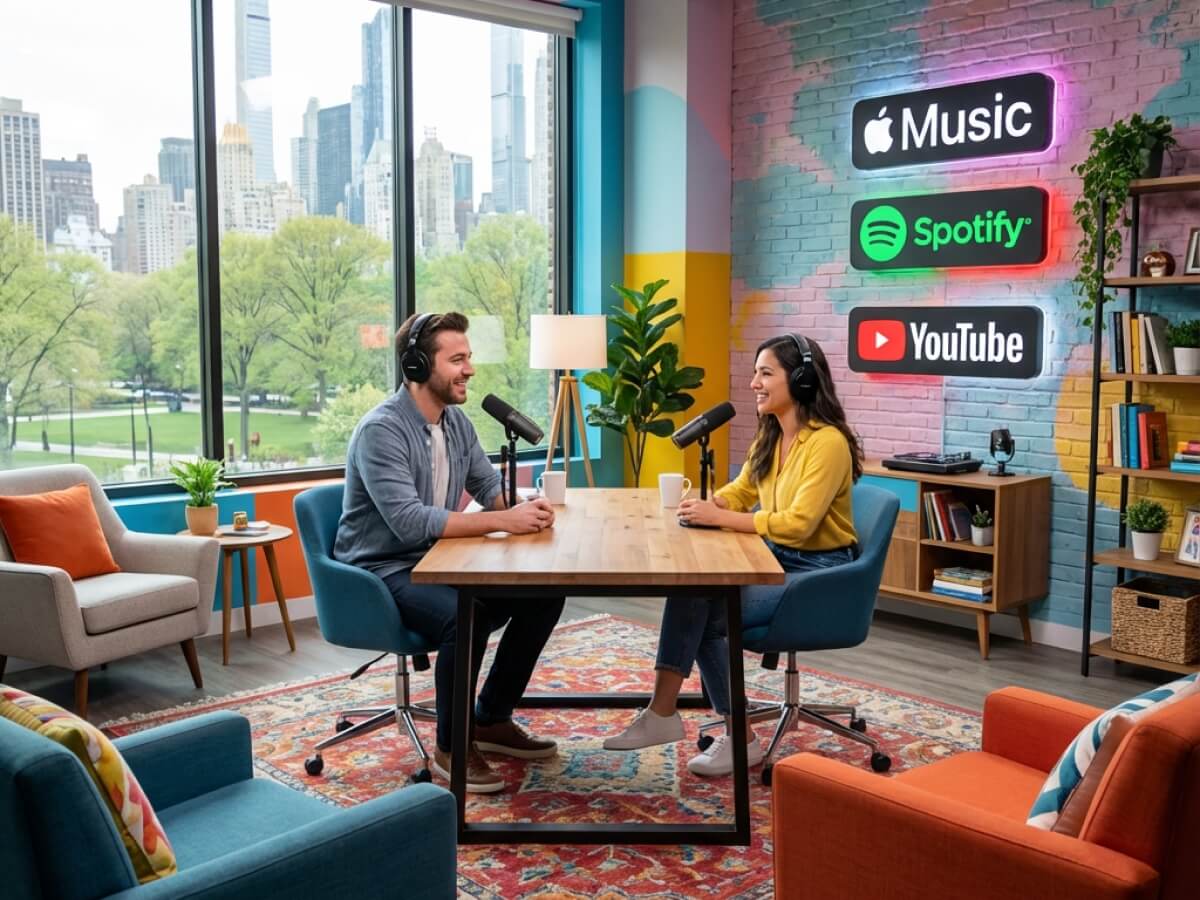
Starting a podcast in 2026 is more accessible than ever. The barrier to entry has lowered significantly, with free tools and affordable equipment making podcasting possible for anyone with a story to tell. Whether you want to share expertise, build an audience, or create content around your passion, podcasting offers a direct way to connect with listeners worldwide.
The podcasting landscape continues growing, with millions of active shows across platforms like Spotify, Apple Podcasts, and YouTube. This growth means more opportunities for new creators to find their niche and build an audience. Understanding the fundamentals helps you launch successfully and avoid common beginner mistakes.
What you'll need to get started
- Podcast concept: Clear topic, format, and target audience
- Basic equipment: Microphone, headphones, and recording software
- Hosting platform: Service to store and distribute your episodes
- Distribution: Submit to major podcast directories
What You Need to Start a Podcast
Before recording your first episode, you need several foundational elements in place. These include a clear podcast concept, basic recording equipment, editing software, and a hosting platform. Each component plays a crucial role in creating and distributing your podcast successfully.
Your podcast concept determines everything from equipment needs to production complexity. The equipment you choose affects audio quality and listener experience. Your hosting platform stores files and generates the RSS feed that directories read. Understanding these components helps you make informed decisions and avoid overspending on unnecessary gear.
Core requirements
- Podcast idea: Define your niche, audience, and episode format
- Recording equipment: Microphone, headphones, and recording software
- Editing tools: Software to polish your audio
- Hosting service: Platform to store and distribute episodes
- Show branding: Name, artwork, and description
Step-by-Step: How to Start a Podcast in 2026
Step 1 – Choose Your Podcast Topic and Name
Your podcast topic should align with your expertise, interests, and audience needs. Choose a niche that allows you to provide unique value rather than competing in oversaturated categories. Research existing podcasts in your space to identify gaps or angles you can explore differently.
Your podcast name is crucial for discoverability and branding. It should be memorable, searchable, and clearly communicate your show's topic. Consider using a podcast name generator to explore creative options and find inspiration for your show title. A strong name helps listeners understand what to expect and improves search visibility.
Common podcast formats include interview shows, solo commentary, narrative storytelling, and roundtable discussions. Interview podcasts feature guest conversations and require scheduling and preparation. Solo shows offer complete creative control but demand consistent content creation. Narrative formats tell stories over multiple episodes and require strong scripting and production.
Step 2 – Get the Right Podcast Equipment
Beginner podcasters can start with minimal equipment and upgrade as their show grows. Focus on audio quality fundamentals rather than expensive gear. Your microphone choice significantly impacts recording quality, so prioritize this purchase. You can find comprehensive guidance in our best podcast equipment for beginners guide.
Essential beginner equipment
- USB microphone: Connects directly to your computer, suitable for solo or remote interviews
- Headphones: Closed-back headphones prevent audio bleed during recording
- Pop filter: Reduces plosive sounds and improves vocal clarity
- Recording software: Captures audio in a format suitable for editing
Recording software captures your audio and saves it in a format suitable for editing. Many podcasters use free or low-cost digital audio workstations. Remote recording tools enable interviews with guests in different locations. Choose software that matches your technical comfort level and recording setup.
Step 3 – Record Your First Episode
Recording your first episode requires preparation and practice. Plan your content structure, whether you're doing a solo episode or interviewing a guest. Test your equipment before recording to identify and fix issues. Record a test clip and listen back to check audio levels, clarity, and any unwanted sounds.
Recording best practices
- Quiet environment: Choose a space with minimal background noise
- Test equipment: Verify microphone and software work correctly
- Backup recording: Keep multiple copies of important interviews
- Consistent setup: Use the same equipment and space for continuity
For remote interviews, use dedicated podcast recording platforms that capture separate audio tracks for each participant. These platforms record locally on each person's device, ensuring higher quality than video call recordings. Some services automatically sync tracks and provide basic editing tools.
In-person recording requires a quiet space with minimal background noise. Test your equipment before recording to identify and fix issues. Record a test clip and listen back to check audio levels, clarity, and any unwanted sounds. Keep backup recordings if possible, especially for important interviews.
Step 4 – Edit Your Podcast Audio
Editing transforms raw recordings into polished episodes. Essential editing tasks include removing mistakes, long pauses, and filler words. Leveling ensures consistent volume throughout the episode. Noise reduction eliminates background hum, clicks, and unwanted sounds.
Basic editing tasks
- Trimming mistakes: Remove pauses, errors, and filler words
- Leveling audio: Balance volume for listener comfort
- Noise reduction: Minimize background sounds and unwanted audio
- Compression: Even out volume variations between speakers
- Music integration: Add intro and outro music at lower volumes
Basic audio quality standards include clear speech without distortion, consistent volume levels, and minimal background noise. Aim for a peak level around -3 dB to -6 dB to prevent clipping. Use compression to even out volume variations between speakers. Add intro and outro music at lower volumes to avoid overwhelming speech.
Editing software ranges from free options like Audacity to professional tools with advanced features. Start with basic editing and gradually learn more techniques as you produce more episodes. Consistent editing quality helps build listener trust and professional credibility.
Step 5 – Choose a Podcast Hosting Platform
Podcast hosting platforms store your audio files and generate an RSS feed that podcast directories read. You cannot upload files directly to platforms like Apple Podcasts or Spotify. Instead, these platforms pull episode information from your RSS feed. This is why you need a hosting platform before submitting to directories.
What hosting platforms provide
- Audio storage: Securely stores episode files with reliable bandwidth
- RSS feed: Distributes episodes to podcast directories
- Analytics: Tracks downloads, listeners, and geographic data
- Distribution tools: Automatic submission to major platforms
- Monetization features: Built-in advertising and subscription options
Hosting platforms provide storage space for your audio files, bandwidth for downloads and streams, and automatic RSS feed generation. They also offer analytics, distribution tools, and monetization features. Some platforms include website builders, email marketing tools, and social media integration.
Many platforms offer free tiers with limited storage or episodes, plus paid plans with additional features. Choose a platform that fits your budget, growth plans, and technical needs. Consider factors like storage limits, analytics depth, and customer support when making your decision.
Step 6 – Submit Your Podcast to Directories
Once your hosting platform generates an RSS feed, you can submit your podcast to major directories. These include Apple Podcasts, Spotify, Google Podcasts, and others. Each platform has its own submission process, but they all require your RSS feed URL.
Major podcast directories
- Apple Podcasts: Largest podcast directory with detailed submission process
- Spotify: Popular platform with Spotify for Podcasters
- Google Podcasts: Integrated with Google search results
- YouTube: Video-first platform for podcast distribution
Submission processes vary by platform. Apple Podcasts requires creating an Apple ID and submitting through Podcasts Connect. Spotify uses Spotify for Podcasters for submission and management. Google Podcasts often indexes podcasts automatically through your hosting platform. YouTube requires uploading video content or converting audio to video format.
Approval timelines typically range from a few hours to several days. Once approved, your podcast appears in directories and new episodes automatically publish when you add them to your hosting platform. You can track performance through platform-specific analytics and your hosting dashboard.
How Much Does It Cost to Start a Podcast?
Starting a podcast can be free or cost several hundred dollars depending on your equipment and hosting choices. The platform submissions themselves charge no fees. Your costs come from equipment, hosting, and optional production services.
Typical cost ranges
- Free setup: Smartphone microphone, free software like Audacity, and free hosting tier
- Low-budget setup: USB microphone ($50-$100), free editing software, basic hosting ($5-$15 per month)
- Professional setup: XLR microphone and interface ($200-$500), professional editing software ($100-$300), premium hosting ($15-$50 per month), acoustic treatment ($50-$200)
Many podcasters start with minimal investment and upgrade equipment as their show grows. Free hosting tiers often provide enough storage for new podcasters. You can always upgrade your hosting plan or purchase better equipment later. The key is starting with what you have and improving incrementally.
Common Mistakes to Avoid When Starting a Podcast
Avoiding common beginner mistakes saves time and improves your podcast's chances of success. These errors often stem from misunderstanding technical requirements or rushing the setup process.
Beginner mistakes
- Skipping planning: Leads to inconsistent episodes and unclear direction
- Poor audio quality: Turns listeners away quickly, even with great content
- Inconsistent publishing: Hurts growth and retention by confusing listeners
- Weak show name: Reduces discoverability and brand recognition
- Ignoring promotion: Limits reach and slows growth
- Submitting before hosting: Directories require an RSS feed from a hosting platform
- Low-resolution artwork: Most platforms require cover art at least 1400x1400 pixels
Submitting to directories before setting up hosting is a common error. Podcast directories require an RSS feed from a hosting platform. You cannot upload files directly to Apple Podcasts or Spotify. Set up hosting first, then submit your RSS feed to directories.
Poor audio quality causes listeners to abandon podcasts quickly. Invest in a decent microphone and learn basic editing techniques before launching. Inconsistent publishing schedules confuse listeners and hurt discoverability. Choose a realistic schedule you can maintain long-term, whether weekly, bi-weekly, or monthly.
How to Grow Your Podcast
Growing a podcast requires consistent publishing, strategic promotion, and audience engagement. Publishing on a regular schedule helps listeners form habits and improves your show's visibility in platform algorithms. Choose a frequency you can maintain long-term, whether weekly, bi-weekly, or monthly. Consistency matters more than frequency.
Effective episode titles and descriptions improve discoverability and encourage clicks. Use clear, descriptive titles that include relevant keywords. Write descriptions that summarize key points and include timestamps for longer episodes. Include guest names, topics discussed, and any special segments. Well-written descriptions help both listeners and search algorithms understand your content.
Growth fundamentals
- Consistency: Publish on a regular schedule you can maintain
- Optimized titles: Write clear, keyword-rich episode titles
- External promotion: Share episodes on social media and other platforms
- Short clips: Repurpose episodes into social media content
- Cross-promotion: Appear as a guest on other podcasts
Promoting episodes outside podcast directories expands your reach beyond platforms. Share episodes on social media with engaging quotes or clips. Post on your website or blog with embedded players. Submit your podcast to multiple directories to maximize visibility. Cross-promotion with other podcasters and appearing as a guest on other shows also drives growth.
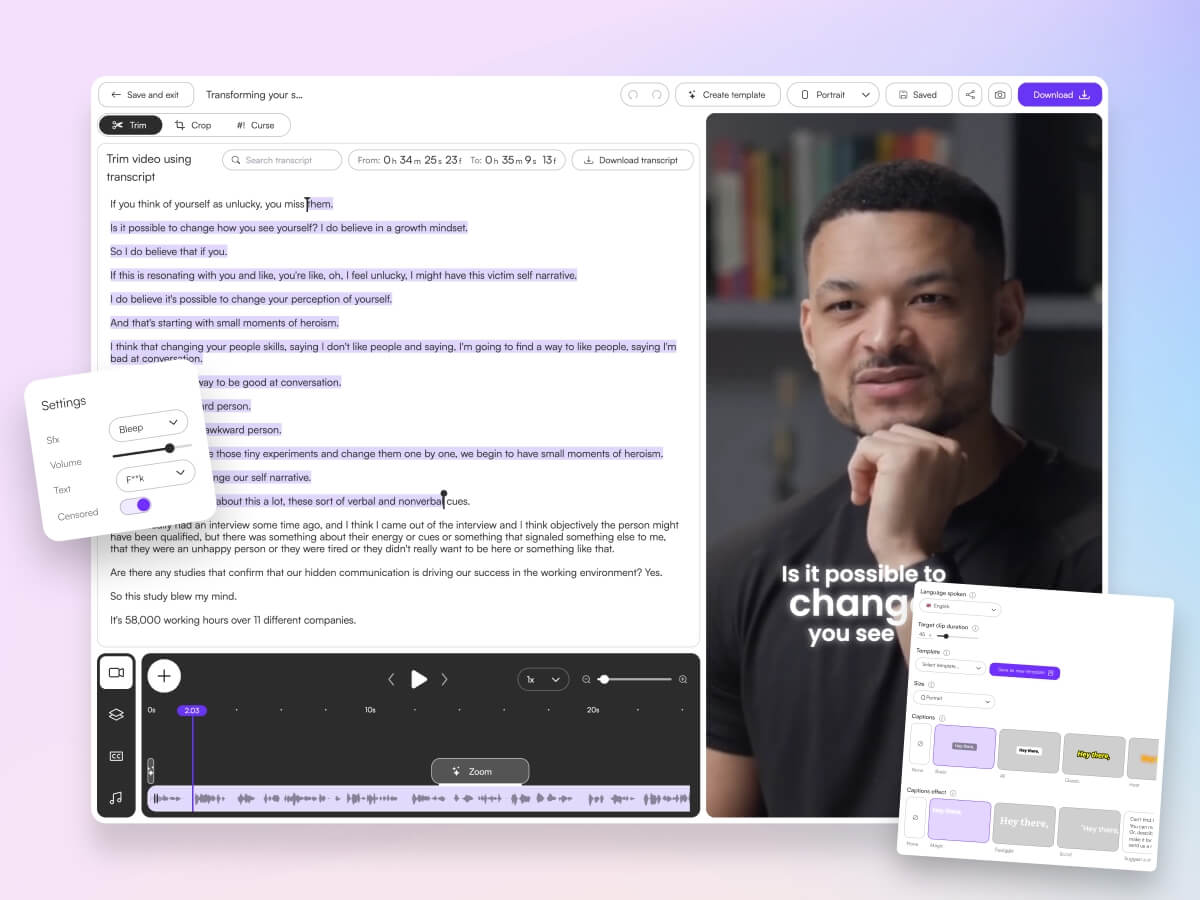
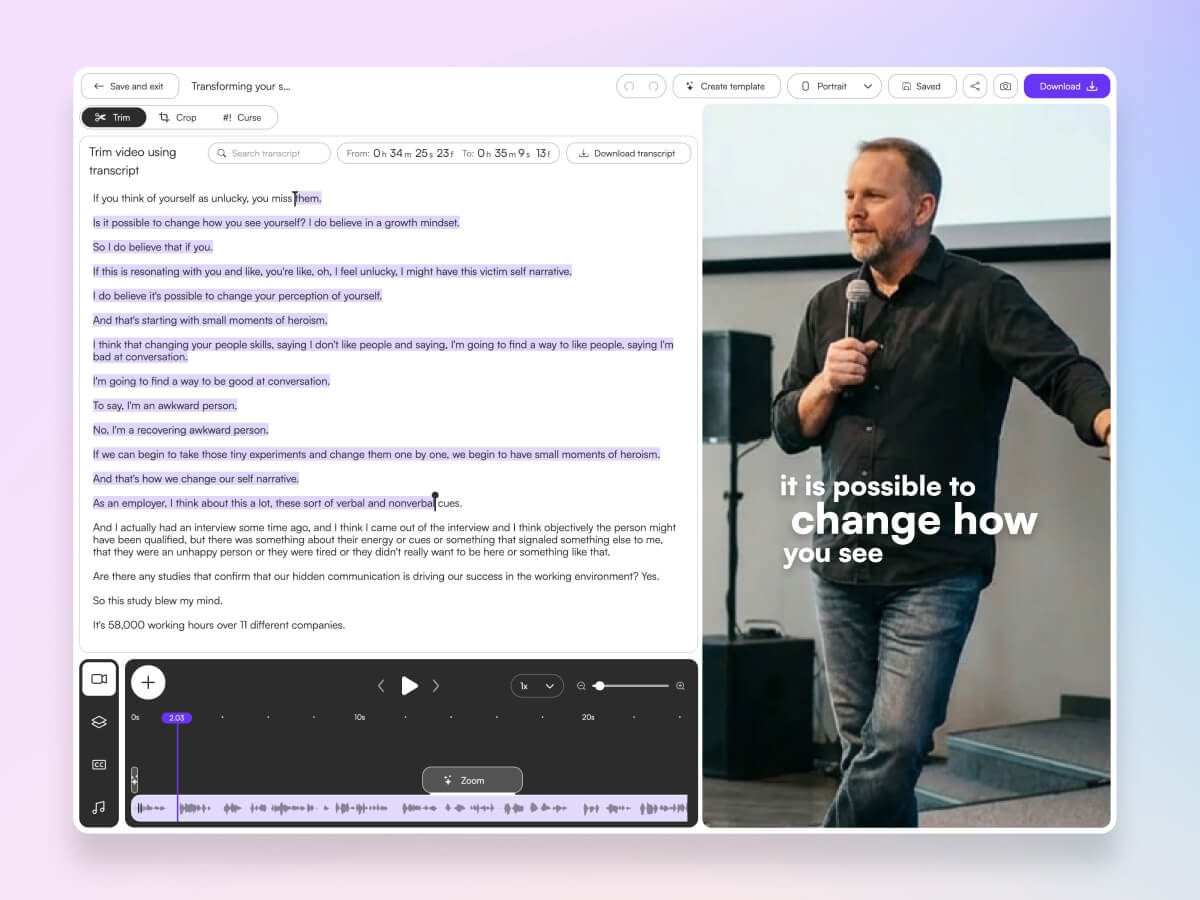
Creating short clips from your episodes helps attract new listeners. Extract compelling 30-60 second segments and add captions or graphics. Share these clips on Instagram, TikTok, Twitter, and YouTube Shorts. Include a clear call-to-action directing viewers to listen to the full episode. Video clips often perform better than audio-only promotion on social platforms.
One powerful strategy for accelerating podcast growth is transforming each long-form episode into multiple shareable short clips. Choppity makes this process effortless by automatically generating 30 or more engaging clips from a single podcast episode. By distributing these clips across social media platforms, you create multiple entry points for new listeners who discover your content through short-form video and then seek out your complete episodes. This approach dramatically increases your podcast's exposure and helps you reach audiences who might never find your show through traditional podcast directories alone. Not sure which tool to use? Our roundup of the best AI podcast clip makers compares every major option with pricing, pros, and cons.

Written by
Michael WongFounder & CEO · Founder of Choppity
Content creator for 12+ years with 215K+ YouTube subscribers and an active presence across YouTube, Instagram, LinkedIn, and X. As founder of Choppity, Michael has personally tested every major AI clip maker — giving him a unique perspective on what works and what doesn't for real creators.